
What is World Hepatitis Day: Hepatitis Awareness for Expecting Mothers
World Hepatitis Day is observed annually on July 28, aiming to raise awareness about viral hepatitis, a global health issue which affects millions of people worldwide. This date was chosen to honor Dr. Baruch Blumberg, who discovered the hepatitis B virus and developed the first hepatitis B vaccine. With over 350 million people living with viral hepatitis across the globe, World Hepatitis Day is an important time for the World Hepatitis Alliance and other organizations to educate the public, promote testing and treatment, and advocate for policies to combat hepatitis.
What are the Different Types of Hepatitis?
Hepatitis refers to an inflammation of the liver, which may be caused by a variety of infectious viruses and noninfectious agents and may lead to a range of health problems. There are five main types of viral hepatitis, referred to as A, B, C, D, and E.
- Hepatitis A (HAV): Transmitted through ingestion of contaminated food or water, or through direct contact with an infectious person.
- Hepatitis B (HBV): A viral disease that can be passed from mother to child during delivery or spread through contact with infectious body fluids. It can be acute or chronic and is a leading cause of liver cancer.
- Hepatitis C (HCV): Primarily transmitted through blood-to-blood contact. Chronic infection can lead to severe liver damage.
- Hepatitis D (HDV): Only occurs in people infected with HBV, as it requires HBV to replicate. It can cause more severe disease than HBV alone.
- Hepatitis E (HEV): Typically spread through fecal contamination of water, and is most common in areas with poor sanitation.
Ways to Participate in World Hepatitis Day
There are numerous ways to get involved in World Hepatitis Day and support the fight against hepatitis. Spreading awareness is a key component of World Hepatitis Day. Participants can utilize social media platforms to share information about hepatitis and the importance of testing and vaccination. Use hashtags like #WorldHepatitisDay to join the global conversation. Advocating for policy change is another important aspect of the fight against hepatitis. Participants can spread the word about initiatives that aim to improve hepatitis prevention, diagnosis, and treatment services, and can contact policymakers and advocate for better public health policies.
World Hepatitis Day events take place all over the world. Participants can organize their own or participate in local events such as awareness walks, conferences, or informational booths and community health fairs to educate others. Getting tested for hepatitis is another way people choose to participate in World Hepatitis Day. Participants can also encourage other people to get tested for hepatitis, especially those at higher risk. Early detection is crucial for effective treatment and management. Volunteering your time and skills to organizations working to combat hepatitis is also a great way to participate. Volunteering can make a significant impact on awareness and education efforts.
Assess Your Risk and Take Action
Understanding your risk for hepatitis is the first step towards prevention and management. Consider the following risk factors:
- Exposure to Blood and Body Fluids: Healthcare workers, people who share needles, and those with multiple sexual partners are at higher risk.
- Travel to High-Risk Areas: Traveling to regions with poor sanitation or high prevalence of hepatitis increases exposure.
- Underlying Health Conditions: People with compromised immune systems or chronic liver disease are at a particularly high risk.
If you identify with any of these risk factors, it’s essential to get tested and consult with your healthcare provider about vaccination and ongoing preventive measures.
Prevention & Diagnosis
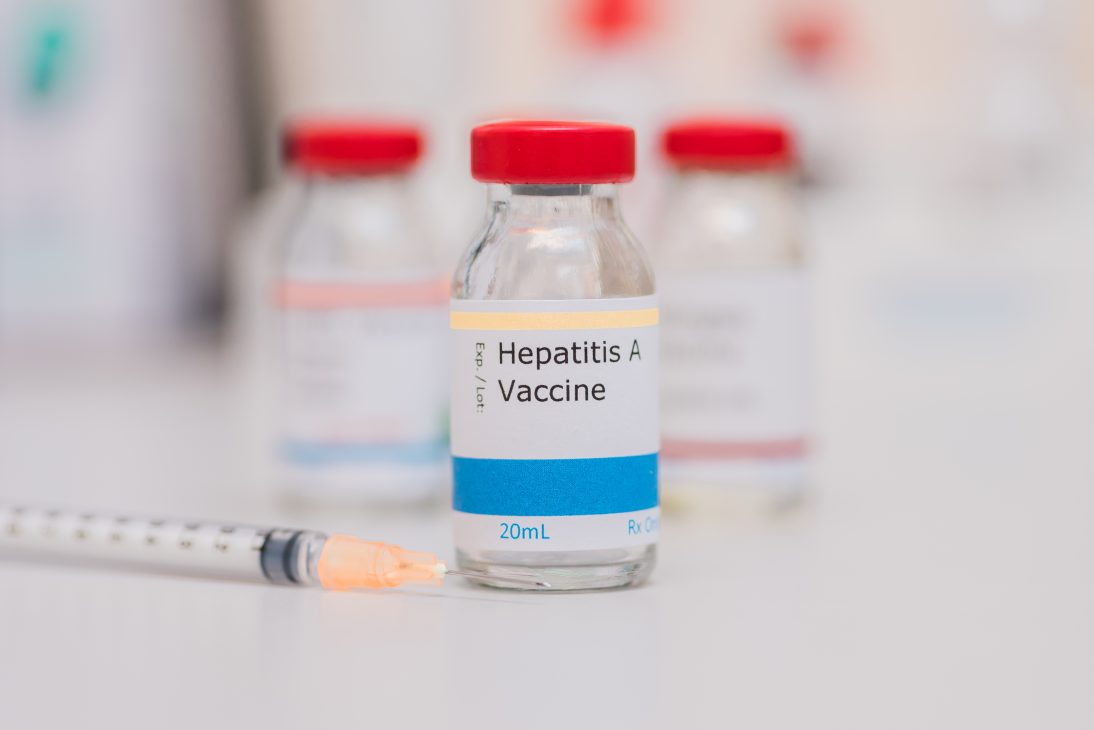
Preventing hepatitis involves a combination of lifestyle choices, vaccination, and public health measures, depending on the type of hepatitis. Vaccines are available for hepatitis A and B. The hepatitis B vaccine also provides protection against hepatitis D.
Lifestyle choices that help prevent various types of hepatitis involve safe practices, such as avoiding sharing needles, practicing safe sex, and being cautious with blood transfusions and medical procedures. Regular handwashing and proper sanitation can also help prevent hepatitis A and E.
Diagnosis of hepatitis may involve a physical exam to look for swollen, enlarged liver, blood tests to detect elevated liver enzymes, blood tests to check for any of the five viruses that cause hepatitis, and an ultrasound to detect changes in the liver.
Treatment & Management
Treatment for hepatitis varies depending on the type and severity of the infection:
- Hepatitis A and E: These usually resolve on their own with supportive care to manage symptoms.
- Hepatitis B and C: Chronic infections may require antiviral medications to reduce viral load and prevent liver damage. Regular monitoring and liver function tests are essential.
- Hepatitis D: Treatment focuses on managing HBV co-infection, often with antiviral therapies.
When to Talk to Your Doctor
Consult your doctor if you experience symptoms of hepatitis, such as jaundice, fatigue, abdominal pain, or dark urine. It’s also important to discuss your risk factors and get tested if you believe you may have been exposed to the virus or have other factors that increase your risk. Early intervention can prevent severe liver damage and improve treatment success rates.
World Hepatitis Day serves as a critical reminder of the ongoing battle against hepatitis. By raising awareness, promoting prevention and treatment, and encouraging testing, we can work towards a future free from hepatitis.


