
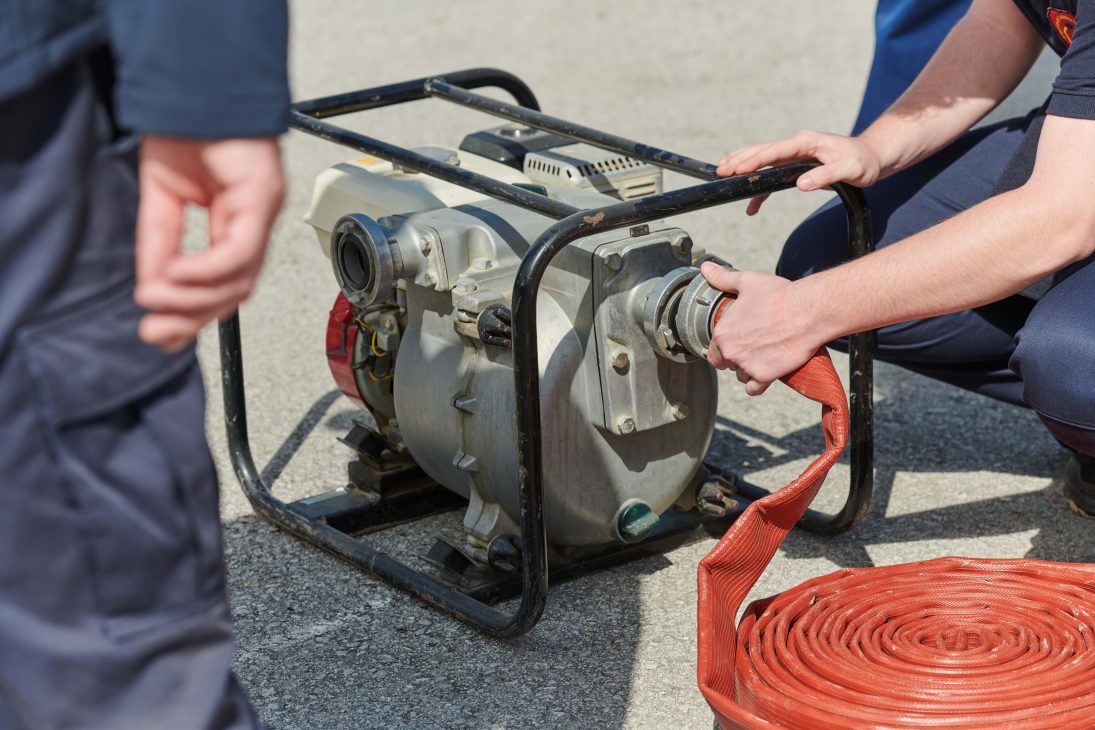
The Ultimate Guide To Fire Fighting Pumps: Features, Benefits, And Installation Tips
When it comes to ensuring fire safety, choosing the right fire fighting pumps is critical. These specialized devices supply high-pressure water flow to extinguish fires efficiently, protecting lives and property. Understanding the features and benefits of these pumps can help you make an informed decision that enhances your fire protection system.
Fire fighting pumps in AU are designed to increase water pressure from existing supplies, ensuring effective firefighting efforts. Whether driven by diesel engines or electric motors, these pumps suit different needs and installations. In contrast, firefighting pumps in the US and UK also aim to enhance water pressure for effective fire fighting but differ in standards and regulatory requirements. In the US, National Fire Protection Association (NFPA) standards govern the design and installation of these pumps, emphasizing rigorous performance and safety criteria. US pumps often integrate with advanced fire suppression systems and are typically driven by both diesel and electric engines to ensure reliability. Similarly, the UK follows stringent guidelines outlined by the British Standards Institution (BSI), focusing on robust performance and compliance with local building regulations. UK pumps are frequently part of comprehensive fire safety systems, ensuring they meet the high demands of urban and industrial settings. Despite these regional differences, all three countries prioritize the efficiency and reliability of their firefighting pumps to protect lives and property effectively.
Installation and ongoing maintenance are also crucial factors to consider. Proper installation ensures the pump operates effectively when needed, while regular maintenance prolongs its lifespan and reliability. Ensuring your system meets all required standards is vital for optimal performance.
Key Takeaways
- Choosing the right fire fighting pumps is critical for fire safety.
- These pumps increase water pressure for effective firefighting.
- Installation and maintenance are crucial for reliability and performance.
Understanding Fire Fighting Pumps
Fire fighting pumps are essential components of a fire protection system, designed to provide the necessary water pressure and flow to combat fires effectively. These pumps are used in various applications, from residential buildings to large commercial and industrial installations.
Types of Fire Fighting Pumps
Various types of fire fighting pumps are prevalent in different applications. Centrifugal pumps are the most common, utilizing an impeller to move water and create pressure. Positive displacement pumps are utilized for specific applications where constant flow is required. They include gear pumps and piston pumps. Additionally, vertical turbine pumps and horizontal split-case pumps are widely used in larger installations, known for their efficiency and reliability. Vertical in-line pumps are effective in smaller systems and compact installations.
Key Features and Applications
Fire fighting pumps offer key features that cater to specific applications. They are designed to ensure consistent pressure and flow rates, crucial in suppression systems like fire sprinklers and standpipes. Pumps can be driven by electric motorsor diesel engines, each suited to different scenarios. Diesel-driven pumps are particularly useful in emergencies where electricity supply may be compromised. High-rise buildings and commercial structures often require pumps with high gallons per minute (gpm) ratings to ensure adequate water supply across multiple floors. These pumps are crucial for maintaining pressure in fire sprinkler systems and standpipe installations.
Advantages of these pumps include their durability, efficiency, and ability to meet stringent safety standards, such as those mandated by NFPA 20.
Selecting the Right Pump for Your Needs
Choosing the right fire fighting pump involves considering multiple factors like the required flow rate and water supplydemands. Assessing the building’s height and layout is crucial, as taller structures may need more powerful pumps to maintain adequate pressure. It is essential to determine whether an electric or diesel engine is more suitable based on reliability and power availability. Evaluating the pump’s compatibility with existing fire protection systems is also important. Pump selection should align with standards such as UL and FM approvals to ensure compliance and reliability in critical situations. Calculating the required pressure and flow rate for the specific application ensures optimal performance and safety.
Installation and Ongoing Maintenance
Proper installation of fire fighting pumps and diligent maintenance are critical for their effective operation. Ensuring the pumps are correctly set up and regularly inspected can prevent malfunctions and ensure readiness in emergencies.
Installation Best Practices
Accurate installation of fire fighting pumps follows NFPA 20 guidelines. The pump room should have sufficient space to accommodate the equipment, which includes the pump itself, the electric motor or diesel engine, and the fuel tank if applicable.
The water source and water tank should be nearby and adequately sized to meet the system’s demands. Connections to the water source must be secure to prevent leaks. Install a safety valve to manage pressure, preventing potential damage.
Power consumption is a key consideration in installation. Ensure that the power supply meets the pump’s requirements to avoid overloading the system. For durability, use high-quality materials and fittings. Proper alignment during installation is necessary to avoid vibrations that can cause wear over time.
Maintaining Your Fire Pump
Regular inspections are crucial for maintaining fire fighting pumps. Check and tighten any loose electrical connections to prevent unexpected failures. Examine for any signs of leaks and corrosion around the pump casing and fittings. Review the operation of the safety valve frequently to ensure it functions correctly.
Run the pump periodically to verify water flow, as specified in NFPA 25 guidelines. Monthly checks should include inspecting the pump impeller and motor. Clean and lubricate moving parts to reduce wear and tear.
Monitor the fuel tank and replenish as needed to ensure the pump operates smoothly during emergencies. Keep records of all maintenance activities to identify recurring issues and address them promptly. This organized approach ensures the fire pump remains in optimal condition, ready for any emergency.
Conclusion
Fire fighting pumps are indispensable tools in fire protection systems, ensuring a steady supply of high-pressure water. Key features such as power options, maintenance needs, and capacity must be considered during selection. Proper installation and maintenance extend the pump’s lifespan. With these insights, organizations can make informed decisions to maximize safety and efficiency in fire emergencies.


