
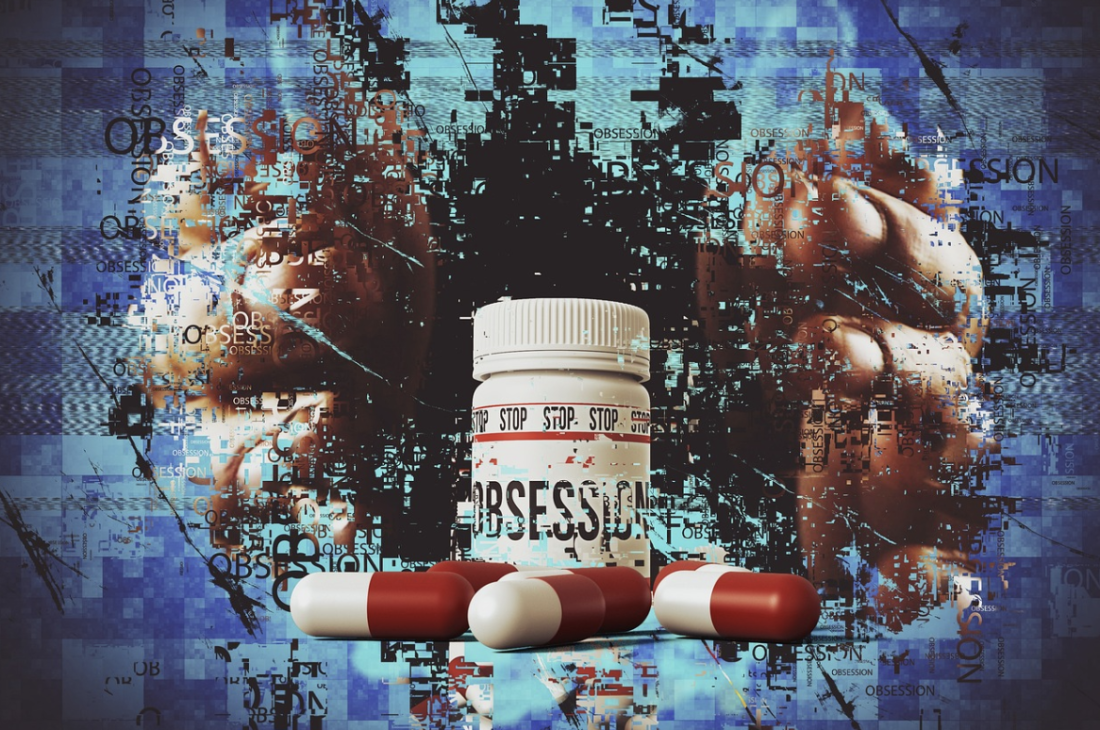
Breaking Free: A Guide to Prescription Drug Rehab and Recovery
Prescription drugs help many people manage pain, anxiety, and other health issues when used correctly. But sometimes, people start taking these medicines in ways their doctor didn’t intend. This can lead to addiction, which is when someone can’t stop using a drug even though it’s causing problems in their life.
What is Prescription Drug Abuse?
Prescription drug abuse refers to taking medication in ways not intended by the prescribing doctor, such as:
- Taking larger doses than prescribed
- Taking the drug via alternative methods like crushing for snorting or injecting
- Combining with alcohol or other drugs
- Continuing use despite physical/psychological harm
- Using someone else’s prescription
Such nonmedical use to induce euphoria or intoxication constitutes drug abuse with high addiction potential.
Commonly Abused Prescription Drugs
Several classes of medical prescription drugs are frequently misused, each with associated risks:
Opioids
Powerful narcotic pain medications like OxyContin, Vicodin, and morphine. Highly addictive, with overdoses causing slowed breathing, coma, and death.
Benzodiazepines
Anti-anxiety drugs like Valium, Xanax, and Klonopin induce relaxation and sedation. Addictive. Withdrawals can cause seizures.
Stimulants
ADHD drugs like Ritalin, Adderall, and Dexedrine invigorating effects promote abuse. Heart issues and psychosis from overamping are serious risks.
Even brief use of such drugs for nonmedical purposes can swiftly lead to addiction and life devastation.
Risk Factors for Prescription Drug Addiction
Several factors elevate the risks of developing dependency:
Family History of Addiction
Genetics helps determine initial drug responsiveness. Those with addicted relatives have higher vulnerability.
Mental Health Conditions
Self-medicating anxiety, depression, trauma, or other conditions with substances is common without proper treatment.
Chronic Pain
Long-term opioid use to manage severe pain leads to tolerance and addiction vulnerability in some patients.
High-Stress Environments
Workplace, family, financial, or mental stresses increase susceptibility to abuse prescription drugs as coping mechanisms.
Early Exposure
Teens abusing prescriptions are primed for addiction as the developing brain is highly malleable, and wiring changes occur rapidly with substance use.
Knowing risk factors helps guide preventative education, responsible prescribing, and increased monitoring of warning signs by medical professionals. However, abuse can still occur in the absence of obvious risk indicators through initial misuse.
Signs and Symptoms of Prescription Drug Abuse
Recognizing the following behavioral and physical changes can help identify misuse early:
- Extreme mood swings, secretiveness, changes in social circles
- Fatigue, bloodshot eyes, paleness, dramatic weight shifts
- Frequent doctor’s office visits requesting prescriptions, “lost” meds
- Declining performance at work or school, relationship turmoil
- Financial issues, stolen valuables, prescription fraud
- Slurred speech, lack of coordination, track marks if injecting
If you notice such patterns emerging, compassionately discussing your concerns and providing treatment resources before severe health or legal consequences arise is critical. Do not let stigma prevent seeking help for prescription drug abuse, as addiction can happen to anyone.
The Impact of Prescription Drug Abuse
The personal and societal consequences of prescription drug addiction span:
Health Problems
From organ damage, contracted infections, seizures, comas, and overdose deaths in severe cases due to toxic drug effects. Accidents and injuries also increase while intoxicated.
Mental Health Issues
Pre-existing conditions like depression or anxiety worsen. Drugs alter mood regulation, judgment, impulse control, and cognition long term.
Relationship Damage
Addiction breeds family turmoil and isolation as the user becomes secretive, steals, lies, and abandons responsibilities. Trust is broken.
Legal Consequences
Drug-seeking behaviors like prescription fraud, theft, dealing, or buying illegal drugs lead to criminal charges with lasting implications.
Career/Financial Ruin
Absenteeism, misconduct, and cognitive declines from use cause job loss and severe money troubles. Savings are drained, and debts accrue.
Getting needed treatment services early is vital to halt the downward addiction spiral before permanent damage or consequences occur.
The Path to Recovery: Prescription Drug Rehab
Veteran prescription drug rehab treatment centers provide the medical care and psychological tools needed to escape dependency’s grip for good through comprehensive rehab.
Medical Detox
The first phase manages withdrawal symptoms and drug cravings with medications in a supervised clinical setting as drugs leave the body, bringing stability.
Behavioral Therapies
Once detoxed, a variety of counseling modalities help identify triggers, build healthy coping strategies, and make lasting lifestyle changes by targeting thought and behavior patterns:
- Cognitive-behavioral therapy (CBT) – Identify negative thought and behavior cycles and replace them with positive coping mechanisms.
- Dialectical behavior therapy (DBT) – Build distress tolerance, emotion regulation, mindfulness, and interpersonal skills.
- Motivational enhancement therapy (MET) – Strengthen motivation and commitment to sobriety and lifelong change.
- Group therapy – Support and shared problem-solving with peers facing similar struggles.
- Family therapy – Mend damaged family relationships and enlisted loved ones’ support.
Aftercare Support
Ongoing aftercare prevents relapse once initial treatment ends through continued therapeutic support and social connection:
- Sober living homes – Transitional supportive housing with peer support
- Outpatient therapy – Ongoing one-on-one counseling
- Support groups – 12-step programs, non-12-step groups, and peer communities
- Alumni programs – Events, groups, and counseling offered by treatment programs to graduates
Multifaceted professional support empowers lasting sobriety. However, selecting an effective, reputable rehab program is imperative.
Types of Prescription Drug Rehab Programs
Prescription drug rehabs vary in intensity, duration, and setting to meet diverse needs:
Inpatient Rehab
Live-in rehab facilities where individuals fully detach from substance-related settings and triggers to focus exclusively on recovery 24/7 while supported by round-the-clock medical and psychiatric care. Program lengths often range from 28-90 days.
Outpatient Rehab
Non-residential programs provide services at a clinic during daytime hours. Allows maintaining work, childcare duties, or other external responsibilities while getting nights and weekends free. Less intensive than inpatient options.
Partial Hospitalization Programs (PHPs)
Day treatment programs with intensive clinical services and medical monitoring. Patients live at home but attend structured programming 5-7 days a week. Costs are lower than residential rehab.
Intensive Outpatient Programs (IOPs)
Outpatient programs with classes and group therapy 3-5 evenings per week for several hours at a time. Step-down support after completing residential rehab.
The optimal program type depends on addiction severity, home environment, responsibilities, and personal preferences. Professionals assess these factors to guide appropriate placement.
Choosing the Right Prescription Drug Rehab Program
Selecting the best-fit rehab is crucial for a successful recovery journey. Considerations include:
Assessing Individual Needs
Treatment should address any co-occurring medical or mental health needs with integrated services.
Researching Different Programs
Compare rehabs locally and nationally based on services, philosophy, credentials, and medication protocols.
Visiting Facilities
Touring helps evaluate the environment, location, amenities, and whether you feel comfortable there.
Asking Questions
Inquire about accreditations, clinical approaches, family involvement, aftercare planning, and post-program outcomes.
Considering Finances
Explore state grants, loans, insurance coverage, sliding scale fees, and payment plans to identify affordable options.
An ideal program provides evidence-based care customized around individual requirements for the highest chance of lasting success.
Overcoming Stigma: Seeking Help for Prescription Drug Addiction
Prescription drug addiction affects people from all walks of life. Do not let fear of judgment prevent getting needed help. Many resources offer non-judgmental guidance:
- Healthcare Providers – Doctors, psychiatrists, and therapists provide evaluations, treatment referrals, and counseling. Seek a provider experienced in addiction medicine.
- SAMHSA Treatment Referral Helpline – This free, confidential national helpline provides treatment options and guidance.
- NIDA Drug Help Webpage – Evidence-based education on prescription drug abuse risks, signs, and professional treatment options.
- Support Groups – 12-step groups, non-12-step groups, and peer recovery communities provide invaluable hope, empathy, and practical wisdom.
You deserve compassionate care. Prescription drug addiction arises from biological, psychological, and social factors requiring expert treatment – not blame. With support, recovery is within reach.
Conclusion
Prescription drug addiction is a serious problem, but recovery is possible. With the right treatment and support, people can overcome addiction and build healthier, happier lives. If you or someone you know is struggling with prescription drug abuse, don’t wait to get help. Reach out to a healthcare provider or addiction specialist today. Remember, taking that first step toward recovery is a sign of strength, not weakness. There’s a whole community of people ready to support you on your journey to a drug-free life.


