
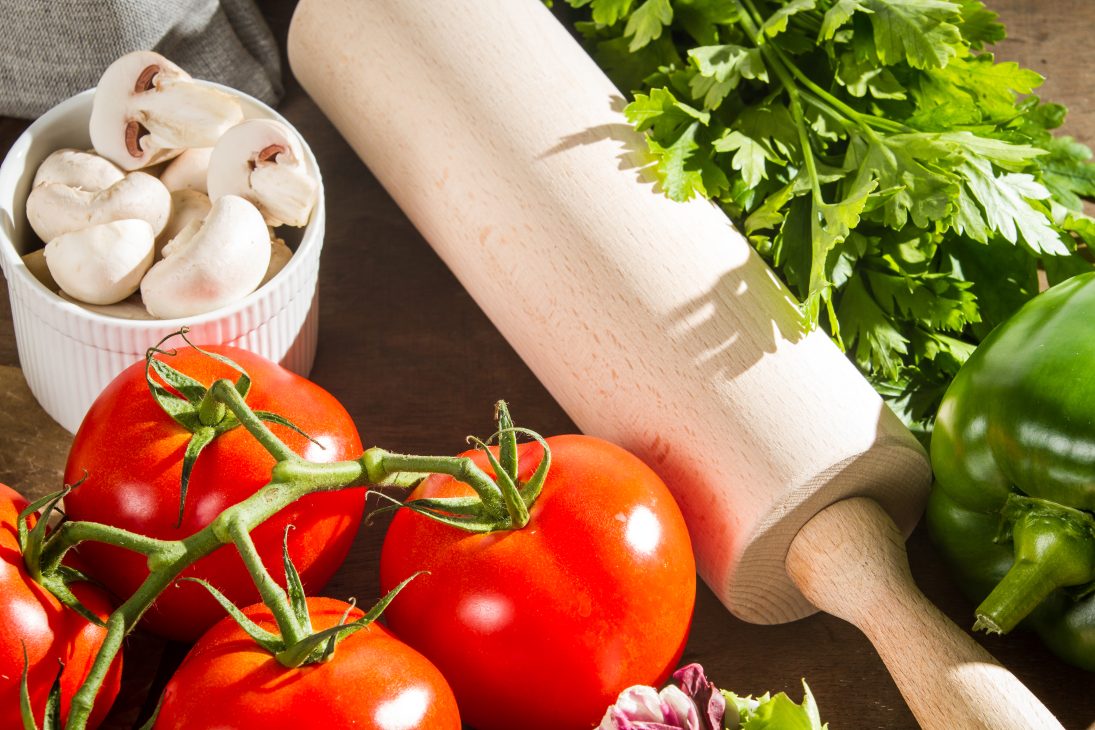
Healthy Eating: Nutritional Benefits of Cooking with Fresh Ingredients
Eating healthy doesn’t have to be complicated, and one of the easiest ways to improve your diet is by using fresh ingredients in your cooking. Fresh ingredients are packed with essential nutrients and vitamins that your body needs to function at its best. Whether you’re whipping up a salad or a hearty stew, starting with fresh produce, meats, and grains can make a world of difference.
The Art of Selecting Fresh Ingredients
Choosing fresh ingredients can greatly influence the flavour and nutritional value of your meals. It’s helpful to know what to look for when shopping for produce, understand the differences between organic and conventional foods, and learn how to read food labels.
Local and Seasonal Produce
Buying local and seasonal produce has many benefits. Seasonal fruits and vegetables are usually at their peak flavour and nutritional content. Local produce doesn’t have to travel far, which means it’s often fresher and has a smaller carbon footprint.
Farmers’ markets are great places to find local, seasonal produce. Look for vibrant colours and firm textures. Ask the vendors when the produce was harvested to ensure freshness. Supporting local farmers helps sustain your community and ensures you get the freshest options available.
Organic vs. Conventional
The debate between organic and conventional produce comes down to farming methods and pesticide use. Organic produce is grown without synthetic pesticides and fertilisers, which many people believe makes it healthier.
Organic farming practices are better for the environment, reducing pollution and soil erosion. On the other hand, conventional produce can be just as nutritious and is often more affordable. Look for produce labelled with the USDA Organic seal if you want to go organic. It means that the product meets the strict standards set by the USDA.
Reading Food Labels
Food labels can be confusing, but they provide important information about what you’re buying. Start by looking at the ingredient list. Ingredients are listed in order of quantity, from highest to lowest. Fewer ingredients usually mean a less processed product.
Pay attention to expiration dates and store your produce properly to maintain freshness. Labels also often indicate if the product is organic, non-GMO, or has other certifications like Fair Trade. Understanding these labels can help you make more informed choices.
The Peak of Freshness
Knowing how to identify the peak of freshness ensures you’re getting the best quality. Ripe produce has more flavour and nutrients. For example, ripe tomatoes should be slightly soft and have a rich colour. Fresh greens should be crisp and not wilted.
Get to know the signs of freshness for different types of produce. For example, berries should be plump and free from mould. Citrus fruits should feel heavy for their size, indicating juiciness. Using fresh ingredients not only makes your meals tastier but also more nutritious.
The Science of Nutrition
Understanding the science of nutrition helps you make informed choices about your diet. Fresh ingredients play a crucial role in providing the necessary nutrients for your body’s health and wellness.
Macronutrients in Fresh Foods
Macronutrients are the main components that fuel your body. Proteins, carbohydrates, and fats are the primary macronutrients found in fresh foods.
- Proteins are essential for muscle repair and growth and are found in foods like chicken, beans, and fish.
- Carbohydrates provide energy and are abundant in fruits, vegetables, and whole grains.
- Fats are vital for brain health and are present in avocados, nuts, and olive oil.
These macronutrients work together to support various bodily functions, such as metabolism and energy production.
Vitamins and Minerals Essentials
Vitamins and minerals are critical for maintaining good health.
Vitamins like Vitamin C in citrus fruits and Vitamin A in carrots boost your immune system and improve vision. Minerals, such as calcium found in dairy products and iron present in spinach, strengthen your bones and improve blood circulation.
A varied diet of fresh ingredients ensures that your body receives these essential nutrients to function properly.
Antioxidants and Phytonutrients
Antioxidants and phytonutrients protect your body from damage. Antioxidants, found in berries, dark leafy greens, and nuts, combat free radicals which can harm your cells. Phytonutrients, present in colourful fruits and vegetables like tomatoes and carrots, support your immune system and reduce inflammation.
These compounds are beneficial for reducing the risk of chronic diseases such as heart disease and cancer.
Balancing Diet and Nutritional Needs
Balancing your diet is essential for meeting your nutritional needs. Eating a wide variety of fresh, whole foods ensures you get a mix of macronutrients, vitamins, minerals, antioxidants, and phytonutrients.
Planning meals that incorporate fruits, vegetables, lean proteins, whole grains, and healthy fats helps you maintain a well-rounded diet. Paying attention to portion sizes and eating a balanced diet tailored to your specific lifestyle and health goals is key.
Practical Cooking Techniques for Maximum Nutrition
Cooking with fresh ingredients can enhance both flavour and nutritional value in your meals. To maximise benefits, focus on choosing methods that preserve nutrients and adapt recipes to suit these cooking techniques.
Methods of Cooking
Steaming: Steaming vegetables preserves vitamins and minerals that might be lost in boiling water. This gentle method retains colour and texture, making the food both appealing and nutritious.
Stir-frying: Stir-frying at high heat for short periods helps maintain the nutritional integrity of food. Use a small amount of healthy oil, like olive oil, to quickly cook meat and vegetables.
Poaching: Gentle poaching in water or broth is ideal for delicate proteins like fish and eggs. This method keeps the protein tender while maintaining its beneficial properties.
Retaining Nutrient Content
Minimise water use: Vitamins like vitamin C and B can leach into water during cooking. Use less water when boiling or poaching to keep these nutrients.
Shorter cook times: Prolonged exposure to heat can break down vitamins and minerals. Employ quick-cooking methods like stir-frying, grilling, or steaming to cut down cook time.
Cook whole: Cooking vegetables whole, then cutting them, helps keep nutrients intact. When vegetable surfaces are exposed, they can lose nutrients more rapidly.
Recipe Adaptations
Reduce processed ingredients: Swap out processed ingredients for fresh alternatives. For example, use fresh tomatoes instead of canned for a fuller taste and more nutrients.
Enhance flavour naturally: Instead of adding salt, use herbs, spices, or flavoured fresh ingredient olive oils. These can punch up the taste while boosting nutritional value without added sodium.
Sheet pan meals: Opt for sheet pan meals where you can roast a combination of proteins and vegetables together. This method simplifies cooking and keeps nutrient loss to a minimum.
Understanding Heat and Cook Time
Control temperature: High temperatures can destroy delicate nutrients. Medium heat is usually sufficient for most cooking needs and preserves more beneficial compounds.
Sear and finish: For proteins, sear on high heat to lock in juices and then finish cooking at a lower temperature. This method keeps the meat tender and nutritious.
Monitor doneness: Overcooking not only impacts texture but also diminishes nutrients. Keep a close eye on cooking times to achieve the right balance between doneness and nutritional content.
By incorporating these practical techniques, you can elevate your cooking, ensuring your meals are both delicious and nutritious. Additionally, learning how to dispose of cooking oil properly is essential to avoid clogging drains and harming the environment.
Wrapping Up
Making the switch to fresh ingredients is about eating better and experiencing food the way it’s meant to be. No more mystery additives or hidden sugars—just real, nutritious ingredients that fuel your body and bring your meals to life. So why not give it a go? Your taste buds (and your body) will thank you. Go fresh and enjoy every delicious bite!


