Put the Heat on Winter: Choosing The Best Patio Heater For Your Home
Too many of us stop using our outdoor living spaces in the winter because it’s too dark or too cold. The right lighting and heating systems can transform a patio from something that hibernates for winter to something that entertains the family all year. The question is, what sort of patio heating system should you use?
The Different Types Of Patio Heating System
1) Fire pits
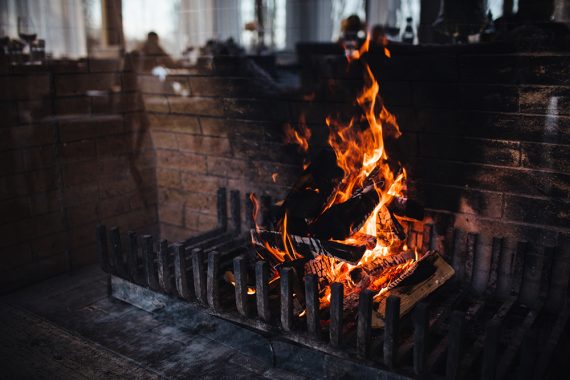
This is the one that many homeowners would love to have on their property if money and practicality weren’t issues. Fire pits are beautiful focal points in any outdoor space. The warmth and joy that comes from having a real fire pit is unmatched, even compared to the next option. There is a romantic feel that takes us back to the days of roasting marshmallows on campfires. They can be a great way to heat a small space and provide an atmosphere as long as you have the space to install one and are conscious about any health and safety considerations.
2) Fireplaces
An outdoor fireplace is an interesting alternative to getting a firepit if you can insert something stylish into an outdoor patio or decking area. These options are more self-contained and offer gentle warmth and comfort compared to the roaring fire pit. They don’t bring the same drama but could be a nice compromise between a heater and a fire pit. You can also find electric versions that don’t put out real flames, in case you are worried about safety issues. This can still look nice but might not offer as much heat.
3) Heat Lamps
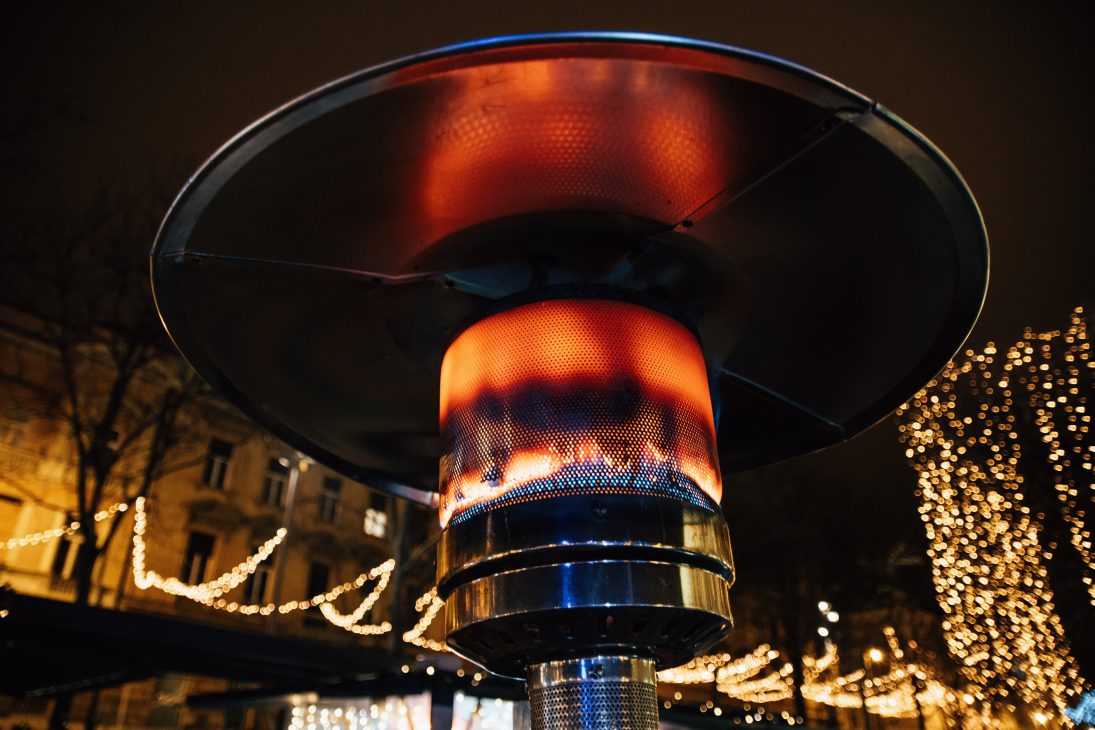
If the idea of a real fire is out because you’ve got too many small children and animals in a small space, a better option is to go for a heat lamp or lantern of some kind. You see these a lot on outdoor patios at restaurants and bars. They put out just enough heat for a small area without becoming overbearing or inconvenient. Some taller heaters with faux flickering flames can also look really nice on a cold night next to some LED lights. However, some find them too ineffective. That’s when buyers turn to the next option.
4) Bromic heaters
Bromic heaters look very similar to standard heat lamps on first impressions with their sleek designs and electric panels. However, the way these infrared heaters work makes them much more effective. Typically, heaters heat up the air around us, taking the chill off on a cold night, whereas bromic heaters work by heating the surfaces around them, providing direct heat instead. This can make it feel like there is warm sunlight on your skin, even when it’s dark outside.
5) Underfloor heating
Finally, there’s underfloor heating. This is a solution that only works for those with the time and money to invest in a massive renovation project. As the name suggests, this entails ripping up your current outdoor flooring, adding heating elements to warm up the new surface, and letting that run whenever the patio is in use. This makes sense if you are outside a lot during the winter and can afford the cost of the installation and electric bill. It can provide a more pleasing temperature throughout the space and allow you to be outside barefoot if you want. You just have to ask if it’s the right call compared to the more direct bromic heaters or the sensory experience of a fire pit.

Which Is The Best Fuel For Patio Heaters?
Whether you decide on a decorative fireplace or a more practical bromic heater, you have to consider the energy source. You’re looking at a choice between an electric solution, something gas or propane-powered, or some other form of traditional fuel. Each has its pros and cons.
Gas And Coal Heaters
Traditional fire pits, fireplaces, and many stand-alone heaters will use gas or even coal, depending on the effect. You get a substantial flame that generates plenty of heat and light from coal and propane. The efficiency of these solutions often means that users don’t have to install as many heaters to get the effect they’re after. One strategically placed bromic heater could make a massive difference.
However, you also have the issue of dealing with fossil fuels. Gas-powered outdoor heating systems mean your carbon footprint will increase. A small lantern using a little propane on cold evenings might not sound like much. However, when we all start using them outside all winter, it becomes a collective problem. It’s also not the safest option to have flammable fuels and gas in a living space like this. Fuel mishandled or that could come in contact with a spark, such as from someone smoking outdoors, is a problem.
Electric Patio Heaters
The alternative solution here is to go for something electric. Electric models are much greener and safer, providing a lot more peace of mind over their long-term use. You can set them up in a family home and have them running as long as you want from any suitable installation point. They aren’t always the cheapest to run when using mains power, but they are simple and reliable. You could try a solar-powered option instead to cut costs and go even greener. These collect energy from the sun during the day to power the heater at night. Still, are you going to get enough sun on a winter’s day to make it effective?
The problem comes with the efficiency and the type of heater you can use. Electric fireplaces and lanterns give the illusion of flames, and while this is safer, it doesn’t provide the same aesthetic or heat generation. Electric bromic heaters are effective because of the heating system, but you still have to be considerate of where you place them.
Which Is Best For You?
There is a lot to think about when choosing the best way to heat a patio in winter. Think about the practical features of all these solutions in terms of the effectiveness of the system in your space and the ease of use. Also, weigh up the costs of installing and running the system against the amount of time you’ll use it. Finally, don’t forget about the aesthetics. It should still look good. Choose carefully to find something to keep everyone warm outdoors this winter.