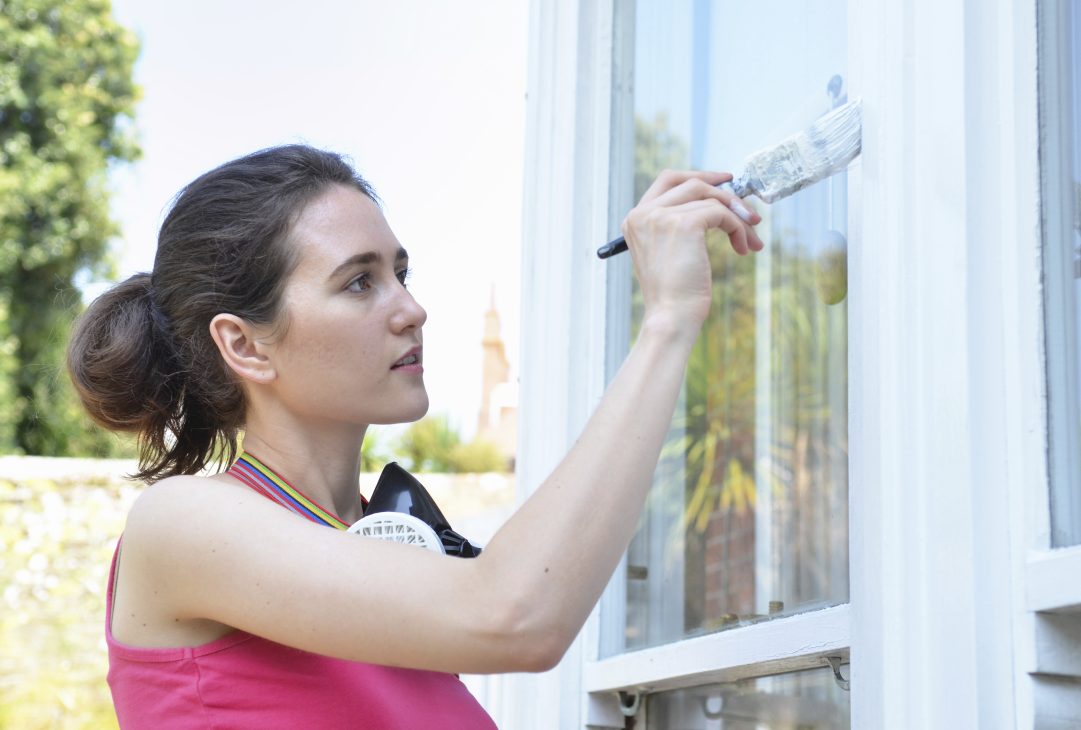
Decorator Nuneaton: Top Mistakes to Avoid When Painting Windows
When it comes to sprucing up your home, painting windows can make a world of difference in giving your property a fresh, updated look. But if not done correctly, it can lead to a number of common, yet avoidable, mistakes. Whether you’re a DIY enthusiast or planning to hire a professional Decorator in Nuneaton, knowing what not to do can save you time, effort, and money. In this article, we’ll walk you through some of the top mistakes people make when painting windows and how to avoid them for a flawless finish.
1. Not Prepping the Surface Properly
Preparation is key when it comes to painting any surface, and windows are no exception. One of the biggest mistakes homeowners make is skipping or rushing through the prep work. This can lead to uneven paint application, flaking, and a generally sloppy appearance.
How to Avoid This:
Start by thoroughly cleaning the window frames to remove any dirt, dust, and grime. Use a mild detergent and warm water, and make sure the surface is completely dry before moving on. If there is old paint or peeling areas, be sure to sand these down or use a paint scraper to remove any loose bits. A smooth surface is crucial for achieving a professional finish. Additionally, apply painter’s tape around the edges of the glass and hardware to protect them from stray brushstrokes.
2. Using the Wrong Type of Paint
Not all paints are created equal, especially when it comes to windows. Some homeowners grab the first can of paint they find, not realizing that different surfaces require specific types of paint. For example, using interior paint on exterior window frames can lead to quicker deterioration, as it’s not designed to withstand the elements.
How to Avoid This:
When painting exterior window frames, always choose a high-quality, weather-resistant paint that’s designed to handle moisture, sunlight, and temperature fluctuations. For interior windows, make sure the paint is durable and easy to clean, especially if it’s in high-traffic areas or prone to dust buildup. If you’re unsure, your local Decorator in Nuneaton can recommend the best type of paint for your specific needs.
3. Painting in the Wrong Weather Conditions
The weather plays a significant role in how well your paint job turns out, particularly for exterior windows. Many people don’t realize that painting during extreme temperatures, high humidity, or rain can negatively impact the paint’s ability to adhere and dry properly.
How to Avoid This:
Check the weather forecast before you begin any painting project. Ideally, you should paint exterior windows when the weather is mild, with temperatures between 10°C and 25°C (50°F to 77°F). Avoid painting on extremely hot, cold, or humid days, as this can cause the paint to dry too quickly, too slowly, or unevenly. If you’re painting indoors, ensure the area is well-ventilated and not too humid.
4. Skipping the Primer
Another common mistake is skipping the primer, especially if you’re painting over an existing coat of paint or bare wood. Primer serves as the foundation for your paint and helps it adhere better to the surface. Without it, the paint can peel, flake, or fail to cover properly.
How to Avoid This:
Always apply a coat of primer before painting, particularly if you’re dealing with raw wood, metal, or a previously painted surface. Primers are formulated to seal the surface and create an even base for the paint to adhere to. For exterior windows, opt for a primer that’s designed to withstand moisture and varying weather conditions. Allow the primer to dry completely before applying your paint.
5. Neglecting to Remove or Protect Hardware
Painting over window hardware, such as locks, hinges, or handles, might seem like a shortcut, but it can lead to a messy, unprofessional look. Worse, it can cause the hardware to malfunction if it gets clogged with paint.
How to Avoid This:
Before you begin painting, remove any hardware that could get in the way of a clean finish. If removing it isn’t an option, cover the hardware with painter’s tape to protect it from accidental paint splatters. Once the paint has dried completely, you can reattach the hardware or remove the tape for a polished look.
6. Rushing the Drying Process
Painting windows requires a bit of patience. It can be tempting to apply the second coat of paint or close the window before the first coat has fully dried, but this can lead to smudging, uneven texture, or even sticking windows.
How to Avoid This:
Give each coat of paint ample time to dry before moving on to the next step. If the paint isn’t fully dry, closing the window can cause the paint to stick to the frame, ruining the finish and potentially jamming the window. Follow the manufacturer’s drying recommendations, and when in doubt, wait a little longer to ensure the paint is fully cured. A good rule of thumb is to wait 24 hours between coats.
7. Overlooking the Importance of Caulking
Caulking around the edges of the window frame is essential for sealing out drafts, moisture, and pests. However, some people skip this step, resulting in cracks and gaps that can lead to problems down the road.
How to Avoid This:
Inspect the window frames for any gaps or cracks and apply a quality caulk to seal them before you start painting. This ensures that your windows are properly insulated and protected from the elements. Once the caulk is dry, you can paint over it for a seamless finish. Don’t rush this step, as proper caulking can greatly improve the overall durability of your paint job.
8. Using Low-Quality Brushes or Rollers
The quality of your painting tools can have a huge impact on the final result. Cheap brushes or rollers often leave streaks, uneven finishes, or even bristles embedded in the paint. While it might be tempting to save a few pounds by opting for cheaper tools, this often leads to frustration and an unsatisfactory finish.
How to Avoid This:
Invest in high-quality brushes or rollers designed for detailed work on window frames. Look for brushes with synthetic bristles for smoother strokes and better coverage. A good brush will help you achieve a cleaner, more precise finish, especially when working on detailed or intricate window frames. If you’re painting a larger surface, use a foam roller to ensure an even coat without leaving marks.
9. Forgetting to Maintain Your Painted Windows
Even after you’ve done a great job painting your windows, regular maintenance is key to ensuring the longevity of your work. Over time, weather, dust, and wear and tear can take a toll on your painted windows, leading to chipping, fading, or damage.
How to Avoid This:
Inspect your windows annually and touch up any areas where the paint might be peeling or fading. Clean the windows regularly to prevent dirt and debris from wearing down the paint. For exterior windows, consider applying a weather-resistant sealant to add an extra layer of protection against the elements.
Conclusion
Painting windows can be a rewarding way to refresh the look of your home, but it’s important to avoid these common mistakes to ensure a lasting, professional finish. Whether you’re tackling the project yourself or working with a Decorator in Nuneaton, proper preparation, quality materials, and patience are key to achieving beautiful results. By steering clear of these pitfalls, your windows will not only look great but also stand the test of time.