
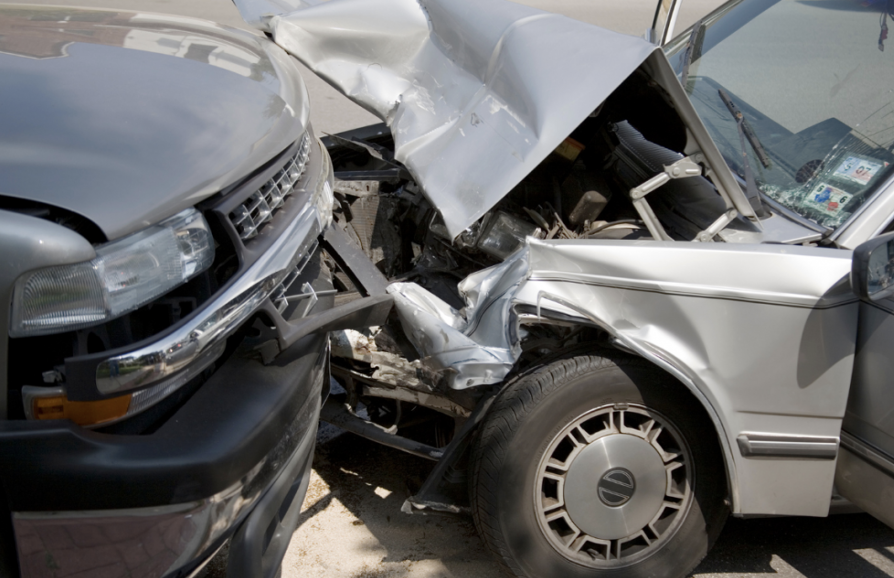
The Devastating Physical Injuries One Might Suffer in a Head-On Collision
A head-on collision is one of the most catastrophic types of car accidents. The sheer force of two vehicles crashing head-first often leads to severe physical injuries, ranging from broken bones to traumatic brain injuries.
As you go through the outcome, you quickly realize that recovering from physical injuries is only part of the battle.
Filing a claim can be just as daunting, especially with the complexities of state-specific legal requirements. These complexities include understanding liability laws and negotiating fair compensation, among a few. That’s why consulting experienced head-on collision attorneys is crucial. These legal professionals help you make sense of these legal hurdles and fight to secure the compensation you deserve.
In this piece, we will discuss the devastating physical injuries a victim of a car accident may incur in a head-on collision. Read on.
Common Physical Injuries in Head-On Collisions
- Traumatic Brain Injuries (TBIs)
The impact from a head-on collision may cause your head to strike the steering wheel, dashboard, or airbag. This can lead to concussions, skull fractures, or severe brain trauma. The effects may include memory loss, cognitive impairment, or even permanent disability, requiring extensive rehabilitation and therapy.
- Spinal Cord Injuries
Your spine bears the brunt of the collision’s force, leaving you at risk of herniated discs, fractures, or paralysis. Even negligible spinal injuries can cause chronic pain, limited mobility, and long-term discomfort, dramatically altering your quality of life.
- Broken Bones and Fractures
The intense energy from the collision can shatter your ribs, arms, legs, or pelvis. These injuries often require surgeries, physical therapy, and months of recovery. You might also face long-term complications, such as reduced range of motion or permanent deformity.
- Internal Organ Damage
The crushing force of a head-on collision can injure your chest or abdominal organs. Damage to the heart, lungs, liver, or spleen can become life-threatening without emergency surgery. These injuries often involve lengthy hospital stays and ongoing monitoring.
- Facial and Dental Injuries
Your face is highly vulnerable in a head-on collision. Facial injuries like broken jaws, damaged teeth, or deep lacerations are common in head-on collisions. These injuries may leave you with permanent scars and will require reconstructive surgeries, which can be both physically and emotionally painful.
Emotional and Financial Impact
Beyond the physical injuries, you may face significant emotional challenges, including anxiety, depression, or post-traumatic stress disorder (PTSD). The trauma of the accident can linger long after your body begins to heal.
Financially, medical bills, lost wages, and ongoing treatment can feel overwhelming. The costs of surgeries, rehabilitation, and therapy often stretch far beyond what insurance covers, leaving you and your family in a difficult position.
Moving Forward
Recovering from a head-on collision begins with seeking immediate medical attention. Follow through with specialists to address long-term issues and engage in physical and emotional therapy to rebuild your strength. Lean on your support system—family, friends, and professionals—to help you recover.
While the road to recovery is challenging, understanding the scope of potential injuries equips you to face it with resilience. When you prioritize your health and seek proper support, you can take the first steps toward rebuilding your life after such a traumatic event.


