
Car Accident Statistics: How Can Authorities and Motorists Make Use of Them?
Car accidents are a global problem. It a shame that numerous individuals sustain injuries for reasons that could’ve been completely avoided.
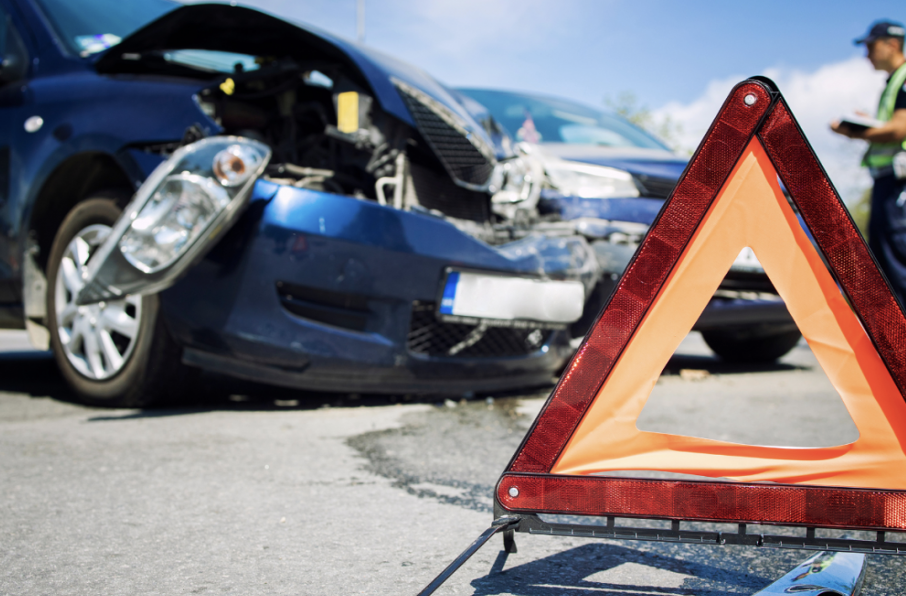
Car accident statistics paint a grim picture of the devastating impact of accidents. Every year, millions of people worldwide are injured or killed in road traffic accidents. The impact of these accidents on individuals, families, and communities is immeasurable.
The sections below discuss the different ways how car accident statistics can be used in a useful way.
Understanding the Data Behind Road Accidents
To effectively address the issue of road accidents, it is crucial to collect and analyze comprehensive data. By examining factors like accident location, time of day, vehicle type, driver age, and road conditions, authorities and researchers can gain valuable insights into the causes of these incidents.
Government agencies play a pivotal role in collecting and analyzing this data. They often maintain databases that track accident reports, allowing for identifying trends and patterns. Additionally, insurance companies contribute to data collection by recording accident claims and related information. This collective effort provides a robust foundation for understanding the complexities of road safety.
How Authorities Can Utilize Car Accident Statistics
Identifying Accident Hotspots
By analyzing accident data, authorities can pinpoint specific locations with a high frequency of accidents. These areas, often called accident hotspots, can be identified by mapping accident locations and identifying clusters. This information allows authorities to focus on areas requiring immediate attention.
Implementing Targeted Safety Measures
Once accident hotspots are identified, authorities can allocate resources to implement targeted safety measures. These measures may include:
- Infrastructure improvements: Repairing damaged roads, improving road markings, and installing additional signage.
- Traffic calming measures: Implementing speed bumps, roundabouts, or narrower lanes to reduce speeds.
- Enhanced lighting: Installing better lighting improves visibility, especially in low-light conditions.
Enforcing Traffic Laws
Accident data can also be used to identify common traffic violations that contribute to accidents. By analyzing this information, authorities can prioritize enforcement efforts and allocate resources to areas where violations are most prevalent. For example, increased speed enforcement can be implemented if speeding is a significant factor in accidents.
Conducting Public Awareness Campaigns
Authorities can develop effective public awareness campaigns by understanding the factors contributing to accidents. These campaigns can highlight the dangers of specific behaviors, such as distracted driving or drunk driving, and encourage responsible driving habits. These campaigns can raise awareness and promote safer driving practices using real-world examples and statistics.
How Motorists Can Use Car Accident Statistics
Making Informed Decisions
Motorists can make informed decisions about their driving habits by understanding accident trends.
For example, they can avoid driving during peak hours when traffic congestion and accidents are more likely.
Additionally, they can choose safer routes by considering factors like road conditions, traffic volume, and accident history.
Improving Driving Habits
Accident statistics can highlight common causes of accidents, such as speeding, distracted driving, and drunk driving. By recognizing these risks, motorists can consciously improve their driving habits. This includes avoiding distractions, adhering to speed limits, and never driving under the influence of alcohol or drugs.
Advocating for Road Safety
Individual motorists can play a crucial role in advocating for improved road safety. By sharing their concerns with local authorities and participating in community initiatives, they can help drive positive change.
Additionally, motorists can support organizations that promote road safety and encourage others to adopt safe driving practices.

The Future of Road Safety: The Power of Technology
Technology is revolutionizing the way we approach road safety. Advanced systems like connected vehicles can collect real-time data on traffic conditions, potential hazards, and driver behavior. This data can be analyzed to identify patterns and inform proactive measures.
Additionally, artificial intelligence can be used to develop predictive models that anticipate accidents and alert drivers to potential risks. By harnessing the power of technology, we can work towards a future with safer roads and fewer accidents.


