
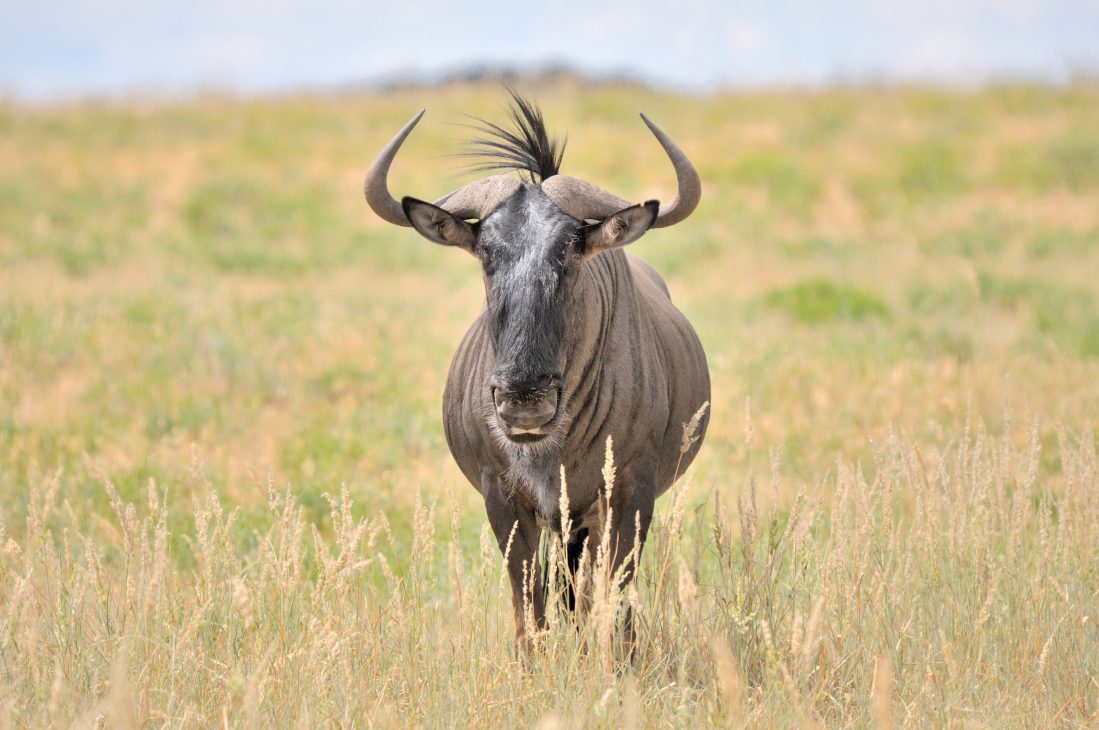
The Ultimate Guide to the Wildebeest Migration: Nature’s Greatest Wildlife Spectacle
The wildebeest migration draws over 1.5 million wildebeest, alongside hundreds of thousands of zebras and gazelles, on an annual journey across East Africa in search of fresh grazing and water sources. This epic wildlife movement, also known as the Great Migration, follows seasonal rainfall patterns through Tanzania’s Serengeti and Kenya’s Masai Mara, offering dramatic river crossings and calving spectacles.
What Is the Great Migration?
The Great Migration refers to the continuous, circular trek of wildebeest, zebras, and gazelles covering roughly 1,800 miles each year. Beginning in Tanzania’s southern Serengeti, the herds move north through the central and western corridors before crossing into Kenya’s Masai Mara, and then return south for calving season.
Migration by Month
Understanding the migration by month helps travelers plan the best time to witness specific events:
- January–March: Calving Season
Wildebeest gather in the Ndutu Plains and southern Serengeti to give birth, with calves born daily in a synchronized birthing event. - April–June: Northward Trek and Grumeti River Crossing
The herds move through the central Serengeti, then face crocodile–infested Grumeti River crossings in May and June. - July–September: Mara River Crossings
The most dramatic crossings occur at the Mara River as the herds enter the Masai Mara, with peak activity in August. - October–December: Return South
Short rains in October trigger the southward migration through Loliondo and eastern Serengeti back to calving grounds.
Key Locations
Tanzania: Serengeti Ecosystem
- Southern Serengeti & Ndutu Plains: Main calving grounds (January–March)
- Central Serengeti: Prime game viewing during northward migration (April–May)
- Western Corridor & Grumeti River: Epic river crossings (May–June)
- Northern Serengeti: Prepares for Mara crossings (July–October)
Kenya: Masai Mara National Reserve
- Masai Mara: Famous river crossings and open grasslands (July–October)
- Mara Triangle: Exclusive viewing with fewer crowds
Safari Planning & Logistics
Best Time to Visit
- Calving Spectacle: January–March in southern Serengeti
- River Crossings: July–September in Masai Mara and northern Serengeti
Safari Packages & Costs
- Budget Safaris: From $1,500 for 5–7 days with basic lodges and shared drives
- Mid-Range Safaris: $3,000–$6,000 for 7–10 days with comfortable lodges and private guides
- Luxury Safaris: $6,000+ for exclusive camps, mobile tents, and hot air balloon rides
Essential Tips
- Book 8–12 months in advance to secure prime locations
- Remain flexible; consider mobile camps that follow the herds
- Pack lightweight layers, binoculars, and a telephoto lens
Wildlife & Ecology
The migration sustains a rich ecosystem of herbivores and predators:
- Zebras & Gazelles migrate alongside wildebeest, creating diverse grazing patterns.
- Predators such as lions, crocodiles, hyenas, cheetahs, and leopards follow the herds.
- Ecological Roles: Grazing maintains grassland health, dung fertilizes soil, and herds support predator populations.
Conservation Challenges
Human activities and climate change threaten traditional migration routes:
- Habitat Fragmentation from fences and settlements blocks key corridors.
- Climate Variability alters rainfall, affecting grass and water availability.
Conservation Efforts
- Establishing protected corridors between parks
- Community‐based tourism initiatives to involve local people
- Anti‐poaching patrols and monitoring
Witnessing the wildebeest migration is an unparalleled wildlife experience that connects visitors to the rhythms of nature. Whether you aim to see newborn calves, thrilling river crossings, or vast herds sweeping across the plains, careful planning ensures you won’t miss this awe-inspiring spectacle.


