
How I Finally Made Peace With Toy Clutter (Without Losing My Mind)
It started, as most chaotic things do, quietly. A basket of blocks here, a row of picture books there, a plastic dinosaur or two tucked under the sofa. Nothing major. Just the gentle hum of family life, I told myself. But then came birthdays, Christmas, party favors, hand-me-downs, and the odd panic buy to keep the kids busy during a rainy week. One day, I turned around, and I couldn’t see the floor.
The tipping point? A nighttime toe-crunching encounter with a wayward train carriage while trying to sneak out of my toddler’s bedroom. I didn’t cuss aloud, but my thoughts had a full-on tantrum. That’s when I realized this had nothing to do with the mess. It had everything to do with headspace.
Toy Mess Isn’t an Indicator You’re Doing It Wrong
This is the thing nobody prepares you for when you’re up to your eyeballs in the stuff: you are not failing at parenting if you live in disarray. Toys are signs of play, of learning, of love. But they’re also background noise when you’re in the middle of preparing breakfast or just trying to breathe. I used to spend so much time tidying, I didn’t even recognize how worn down I was. Not in body, but mentally worn out by the ebb and flow of the never-ending shuffle.
What I needed wasn’t some Pinterest-perfect fix or a color-coded shelving system that cost the same as my weekly food shop. I just needed something that felt doable in the real world. Something that worked when I’d had four hours of sleep and two lukewarm coffees.
Step One: Don’t Buy Storage Before You’ve Binned a Thing
My first mistake was assuming more storage would solve the problem. In came multiple baskets, tubs, and a 92-piece shelving unit. And yet, the clutter persisted. I soon realized I was just moving the problem around the room.
So I sat down with a bin bag (and a biscuit) and asked the all-important question: “Do they actually play with this?” Not did they, but do they now? You’d be amazed how many toys were forgotten, broken, or just maddening to everyone. Out they went, some to the bin, some to charity, and a few mysteriously disappeared like socks in the wash.
Step Two: Assign Toy Zones (Without Overthinking It)
I’m not an interior designer. I’m a tired mum who sometimes folds laundry at 1 am. But I did learn this: toys feel far less overwhelming when they have boundaries. So we made “toy zones.” One in the lounge, one in their bedroom, and that’s it. No buckets in the hallway. No plastic burgers in my handbag.
Each area now has its own simple system. Lounge? A basket for quick tidy-ups when people pop by. Bedroom? A low shelf with rotating favorites. Nothing fancy, but tidy-up time now feels manageable, even for a toddler.
Step Three: Train the Tidy (Gradually… and Then Slower)
The number of times I’ve shouted, “Clean up your toys!” while stirring pasta is too many to count. So, instead, we made it a game. Not always. Not when I’m in a mood. But often enough to shift the energy.
Sometimes it’s a race. Sometimes, it’s “put the red ones away first.” And occasionally, on very good days, we bring out the dreaded clean-up song. The result? Not a showroom-perfect house, but a bit more teamwork. A bit more “us” and less “me doing it all”.
Step Four: Be Honest About How Much Is Enough
One afternoon, while moaning about the state of the playroom (read: spare bedroom with delusions of grandeur), a friend asked, “Do you think they have too much stuff?” I wanted to argue, but instead, I looked at a shelf packed with toys that had been untouched for weeks.
That’s when I decided to rotate. We boxed up half the toys and tucked them away. Every few weeks, I swap a few in and out. The kids react like it’s Christmas every time. Play feels fresh again, and I’ve had a break from the never-ending obstacle course.
Step Five: Make Use of the Space You’ve Got (And Reimagine the Rest)
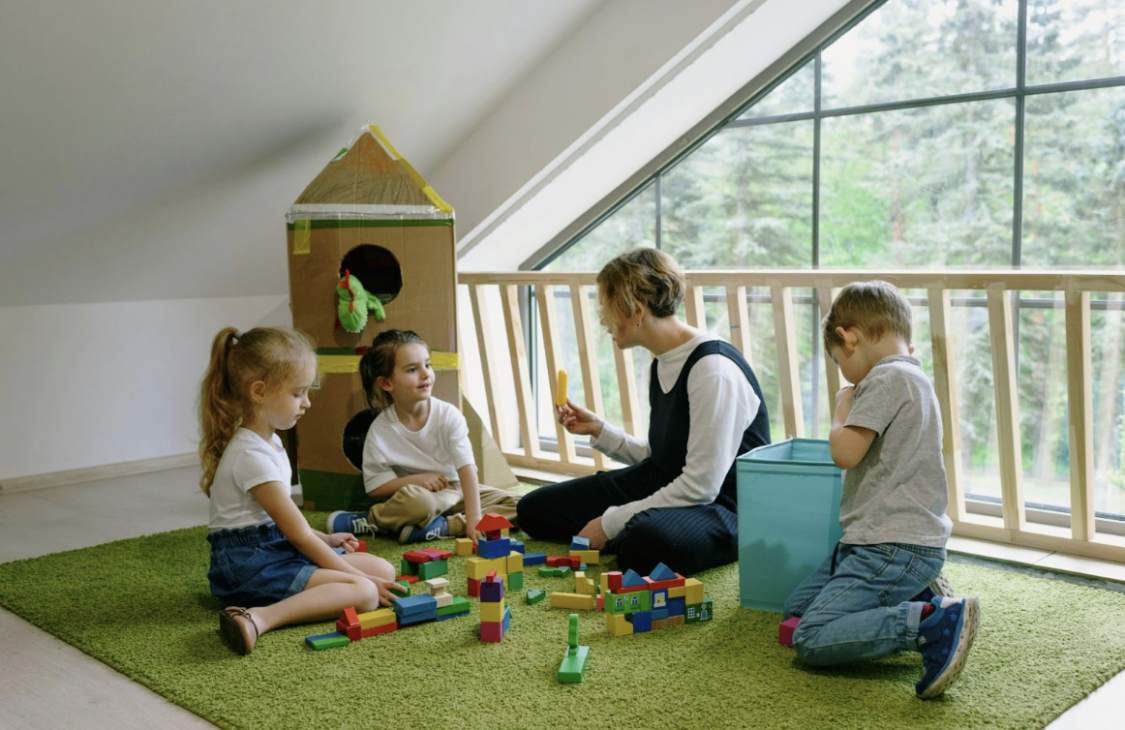
We don’t live in a huge house. It’s lovely, but compact. So, we started thinking creatively. One weekend, we looked up at our loft and imagined a playroom where the grown-up décor wouldn’t constantly clash with fluorescent plastic.
We’re not there yet, but the plan’s coming together. If you’re thinking along similar lines, it’s worth getting a clear picture of Loft Conversion Costs early on. There’s a big difference between a cushion fort and a well-built, peaceful space for noisy fun.
Step Six: Don’t Clean Up Things You Don’t Care About
You know what I’ve stopped doing? Rebuilding the wooden train track every night and or matching the toy food with the toy kitchen. The kids couldn’t care less. They’re just as happy if the toy banana is in the oven or under the sofa.
Some mess isn’t worth your energy. There’s freedom in letting it go.
Step Seven: Give It Time (And Give Yourself a Break)
This didn’t change overnight. There were days when I wanted to throw every last toy out the window. But slowly, with some editing, firmer boundaries, and a bit more compassion for myself, something shifted.
Now, when I walk into the sitting room, I might still spot a glittery pony on the sofa. But I don’t feel that rising tide of panic in my chest. I don’t clean like a possessed ghost once the kids are in bed. I sit down, breathe, and let the pony lounge beside me.
Because that’s the balance I’ve been after. It is not spotless, just peaceful enough to enjoy being at home.
Mess is part of family life. So is noise, fun, and the occasional popcorn trail through three rooms. I’ll never have it all figured out, and that’s fine. I’ve realized that a toy-filled home can still feel calm as long as the system suits you.
And sometimes, the best system is knowing when to tidy and when to step over the plastic triceratops and pour yourself a cuppa.


