
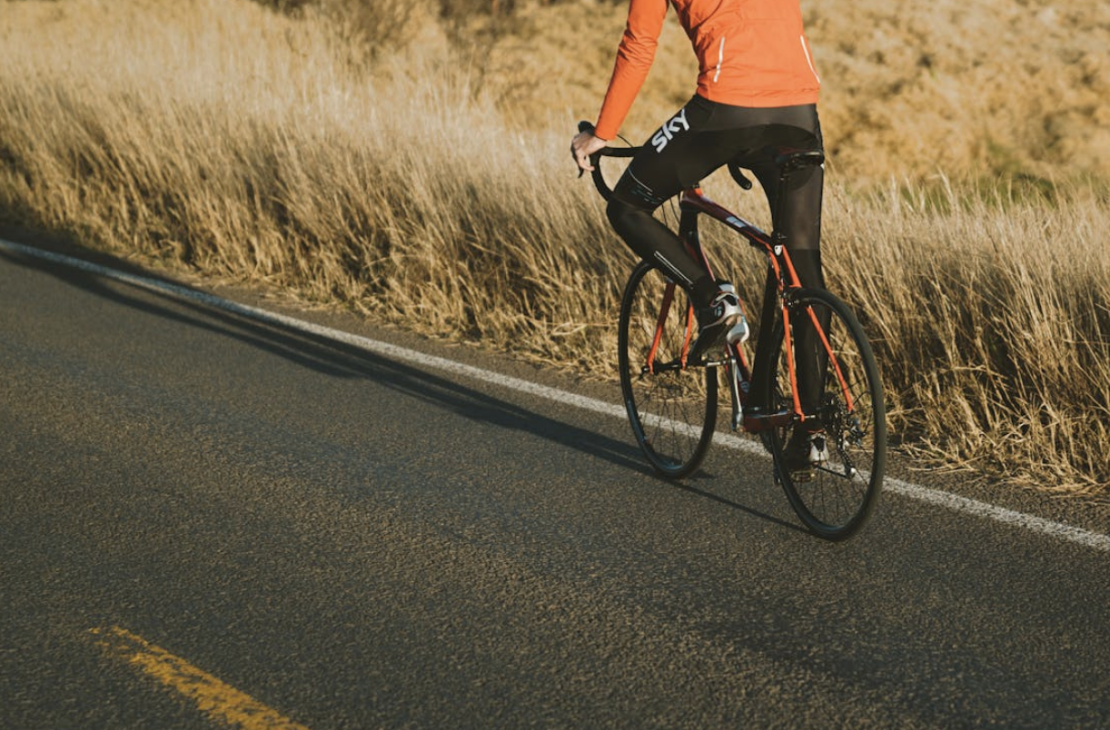
Road Bike Travel Tips for Long-Distance Cyclists
Are you looking to advance your cycling experiences to greater heights?
Long-distance cycling trips let you explore new areas while testing your physical endurance and enjoy the liberty of open roads. Multi-day bike travel presents different requirements compared to your typical weekend cycling rides.
Successful cycling journeys require proper planning combined with appropriate gear and mindset. After all, proper preparation leads to:
- Better riding experiences
- Fewer mechanical issues
- More enjoyable adventures
The process of planning a road bike journey feels daunting when you start. Before you clip into your pedals you need to consider a variety of factors including packing light and finding cyclist-friendly routes.
What You’ll Uncover
- Essential Gear for Long-Distance Road Cycling
- Planning Your Route and Accommodations
- Nutrition and Hydration Strategies
- Bike Maintenance on the Road
- Safety Precautions for Road Cyclists
Essential Gear for Long-Distance Road Cycling
Successful bike travel requires bringing essential gear while avoiding excessive weight.
Your Road Bike Setup
The foundation of any great cycling trip is a properly fitted road bike that’s reliable and comfortable for long hours in the saddle. Make sure your bike is ready before you start your journey.
- Professionally fitted to your body dimensions
- Your bike needs proper gearing to handle the specific terrain of your route.
- Outfitted with durable tires designed for distance
- The bike received service to install new brake pads along with a clean drivetrain.
Modern road bikes today demonstrate unparalleled versatility. Modern bike models now support wider tires which enhance comfort during lengthy rides without significant speed loss.
Carrying Solutions
Road bikes need innovative packing methods which preserve their handling because they lack the heavy pannier systems found on touring bikes.
- Bikepacking bags that are lightweight including saddle bags, frame bags and handlebar bags.
- A small hydration pack
- Compression sacks for clothing
- Ultralight camping gear if bikepacking
Your objective should be to pack everything so that the total weight does not exceed 20 pounds whenever possible.
Clothing Essentials
To adapt to unexpected weather changes on extended bike rides you need to use layering techniques.
- High-quality padded cycling shorts (2 pairs minimum)
- Moisture-wicking base layers
- Packable wind/rain jacket
- Arm and leg warmers for temperature flexibility
- High-visibility items for safety
Pro tip: Merino wool items offer excellent temperature control and odor resistance which makes them a valuable investment for multi-day cycling trips.
Planning Your Route and Accommodations
The success of your road bike travel experience depends heavily on effective route planning. The expansion of bike infrastructure in Minneapolis, Seattle, and San Francisco makes urban cycling segments safer now than before.
Finding Cyclist-Friendly Routes
When mapping your cycling adventure, consider:
- Use dedicated bike routes and rail trails whenever they exist
- Choose roads that feature broad shoulders alongside reduced vehicle traffic.
- Choose elevation profiles which suit both your physical conditioning and bike gearing.
- Points of interest and scenic viewpoints
Cyclists can use Strava and Komoot platforms which display heat maps to reveal actual bike paths while assisting in discovering optimal routes in unknown regions.
Accommodation Strategies
Overnight accommodations typically come in three distinct categories.
- Credit Card Touring: Staying in hotels/motels (most comfort, highest cost)
- Warmshowers/Couchsurfing: Warmshowers/Couchsurfing allows you to stay with hosts who support cycling and provides cultural experiences at a reduced cost.
- Bikepacking: Self-supported camping (maximum flexibility, more gear required)
Gravel riding expanded by 48% in the US during 2023 leading to more bikepacking possibilities for cyclists venturing into less-traveled regions.
Daily Distance Planning
Set realistic expectations for your daily cycling distance based on your comfort level. Consider:
- Your current fitness level
- Expected weather conditions
- Elevation gain throughout the route
- Available accommodation spacing
Beginners should create a “bail-out option” at every 20-30 mile interval to address potential mechanical failures and weather changes or combat fatigue.
Nutrition and Hydration Strategies
Adequate fueling determines whether you’ll enjoy your ride or experience a “bonk” while stranded by the roadside.
Daily Caloric Needs
When cycling for entire days you will burn between 2,000 and 5,000 extra calories based on your body weight and the intensity and length of your ride and the type of terrain you travel through. Riders typically consume between 40 and 60 grams of carbohydrates every hour during their bike rides.
On-Bike Nutrition
Choose foods that are both easy to digest and capable of delivering consistent energy while you ride.
- Energy bars and gels (convenient but expensive)
- Trail mix and dried fruits (calorie-dense)
- Nut butters spread on tortillas or bread provide protein and fat.
- Electrolyte drink mixes (especially in hot conditions)
Choose foods for packing that remain intact and fresh throughout your ride.
Hydration Planning
Route planning relies heavily on water availability as its main constraint. On average, cyclists need:
- Riders should consume one 20oz bottle of water every hour when environmental temperatures are moderate.
- Riders may require two bottles of water per hour during hot weather conditions.
Identify dependable water sources along your planned route and bring along an emergency water filter.
Bike Maintenance on the Road
Mechanical problems that stay unresolved will end your cycling trip immediately. Outdoor cycling participation reached 55 million people in the US during 2023 which led to bike shops becoming extremely busy in many areas and emphasizing the need for self-sufficiency.
Pre-Trip Inspection
Before departing:
- Ensure you replace any tires, chains or brake pads that show wear before your ride.
- Check all bolts and components for tightness
- Service your hubs, headset, and bottom bracket
- Inspect your wheels to confirm they are true and maintain proper tension
Essential Tools and Parts
Your road repair kit should include:
- Multi-tool with chain breaker
- Tire levers and patch kit
- Spare tubes (at least two)
- Portable pump or CO2 inflator
- Quick link for chain repairs
- Small bottle of chain lubricant
- Wrap some duct tape around a pencil or seatpost for repair tools.
Basic Repairs Everyone Should Know
Before leaving, practice these essential repairs:
- Fixing a flat tire
- Adjusting brake and derailleur tension
- Repairing a broken chain
- Truing a wheel with minor damage
You should think about enrolling in a basic bike maintenance course at your community bicycle shop.
Safety Precautions for Road Cyclists
Your highest priority should always be safety during long-distance cycling. Cycling alongside vehicles always exposes riders to some risk but taking safety measures greatly lowers this danger.
Visibility Equipment
Ensure you’re seen with:
- Bright, contrasting clothing during daylight
- Quality front and rear lights (plus spares)
- Reflective elements on your bike and gear
- A small mirror (helmet or handlebar mounted)
Traffic Interaction
When sharing roads with vehicles:
- Ride predictably and signal all turns
- Take the lane when necessary for safety
- Maintain awareness of traffic behind you
- Whenever possible select paths which include bike lanes or broad shoulders.
Weather Preparedness
Review weather predictions often and prepare for unexpected temperature shifts as well as unanticipated rain, intense heatwaves, and powerful wind gusts.
Communication Plan
Make sure your planned route and estimated timing along with emergency contacts are known to someone else. A GPS tracking device that includes SOS features should be on your list when planning remote route explorations.
Final Thoughts On Your Journey
Cycling across long distances provides physical challenge while demanding self-sufficiency and delivers pure joy through exploration by bike. Proper preparation turns long-distance bike travel into one of the most fulfilling travel experiences you can find.
Successful journeys become more likely when you concentrate on choosing the right equipment along with careful route planning and nutritional needs while mastering maintenance skills and safety practices.
All long-distance cycling experts began their journey from initial starting points. Start by taking shorter rides to evaluate your equipment and gain confidence and then slowly expand your journey distance as you gain experience.
Enjoy your cycling experience and hope the breeze supports your journey ahead.


