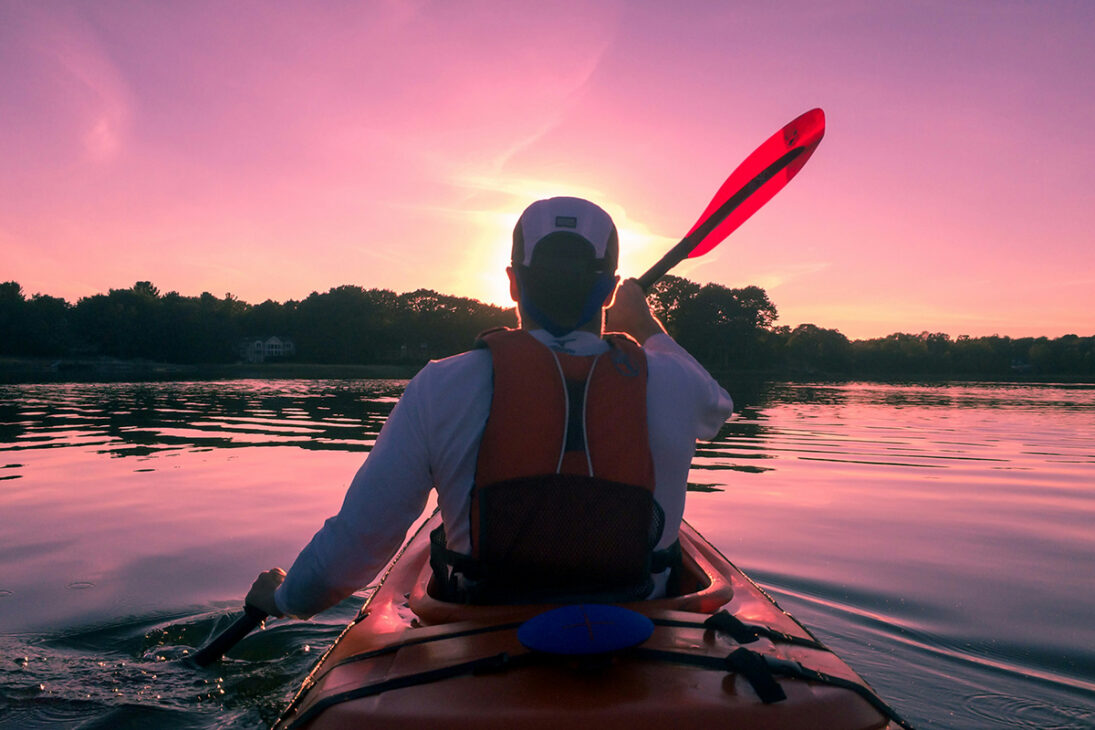
The Inflatable Kayak Comes of Age: Why Packable Boats Are Quietly Reshaping How UK Adults Spend Their Weekends
The Inflatable Kayak: Packable Boats For UK Weekends: Somewhere between the wardrobe and the car boot, the packable kayak has become one of the more quietly significant pieces of kit in British active leisure. Not a toy. Not a compromise. A proper inflatable kayak that folds into a bag, launches in twenty minutes, and opens up stretches of water that most people drive past every single week without a second thought.
This is not a niche story anymore.
The Post-Pandemic Weekend Has Changed Shape
Something shifted after the lockdowns. The post-pandemic appetite for getting outside did not simply fade once the restrictions lifted. Instead, it settled into something more considered: a habit of building small, restorative experiences around the working week rather than saving everything for a fortnight in August. The micro adventure idea, which had been bubbling along in outdoor circles for years, suddenly made sense to a much wider audience.
Short local trips replaced long-haul planning. A weekend escape no longer required a passport or a full week off. People started looking at what was already within an hour of home and asking better questions about it.
Why a Packable Kayak Fits Exactly Here
Traditional kayaking carried invisible barriers. A hardshell boat needs a roof rack, a garage, ideally a trailer, and often a club membership before you even get near the water. For anyone living in a flat, a terrace, or simply a house without a dedicated outbuilding, that ruled it out entirely.
A packable kayak removes most of those barriers in one move. The boat lives in a bag. It fits in a car boot alongside a change of clothes and a flask. No specialist storage, no roof rack negotiations with a partner who has opinions about the paintwork. Suppliers like Razor Kayaks have been pushing this segment toward higher performance, occupying territory that was once the exclusive domain of hardshell manufacturers and bringing genuine on-water capability to a format that packs away after every session.
Spontaneity becomes possible. That matters more than it sounds.
What Drop Stitch Actually Changed
For years, inflatable kayaks had a reputation problem. Early models were soft, slow, and difficult to track in a straight line. Drop stitch construction changed the calculation. Thousands of interlocking fibres hold the hull under high pressure, producing a floor so rigid you can stand on it, and a hull shape that holds its line properly on open water. The result behaves like a real boat because, structurally, it is one.
This is why sheltered water sessions on an inflatable now feel nothing like wrestling a lilo. The paddler sits in a proper position, the boat responds to the paddle, and the whole experience moves closer to what hardshell owners have always described. That shift in performance is what brought a new generation of adults to the water.
Where UK Adults Are Actually Paddling
Carsington Water in Derbyshire. Rutland Water on the Leicestershire border. Coniston in the Lake District. These are the kinds of urban reservoir and national park destinations appearing on paddling forums and social feeds with increasing regularity. Sheltered water suits the inflatable kayak well: calm conditions, manageable distances, and scenery that makes an early Sunday morning feel genuinely earned.
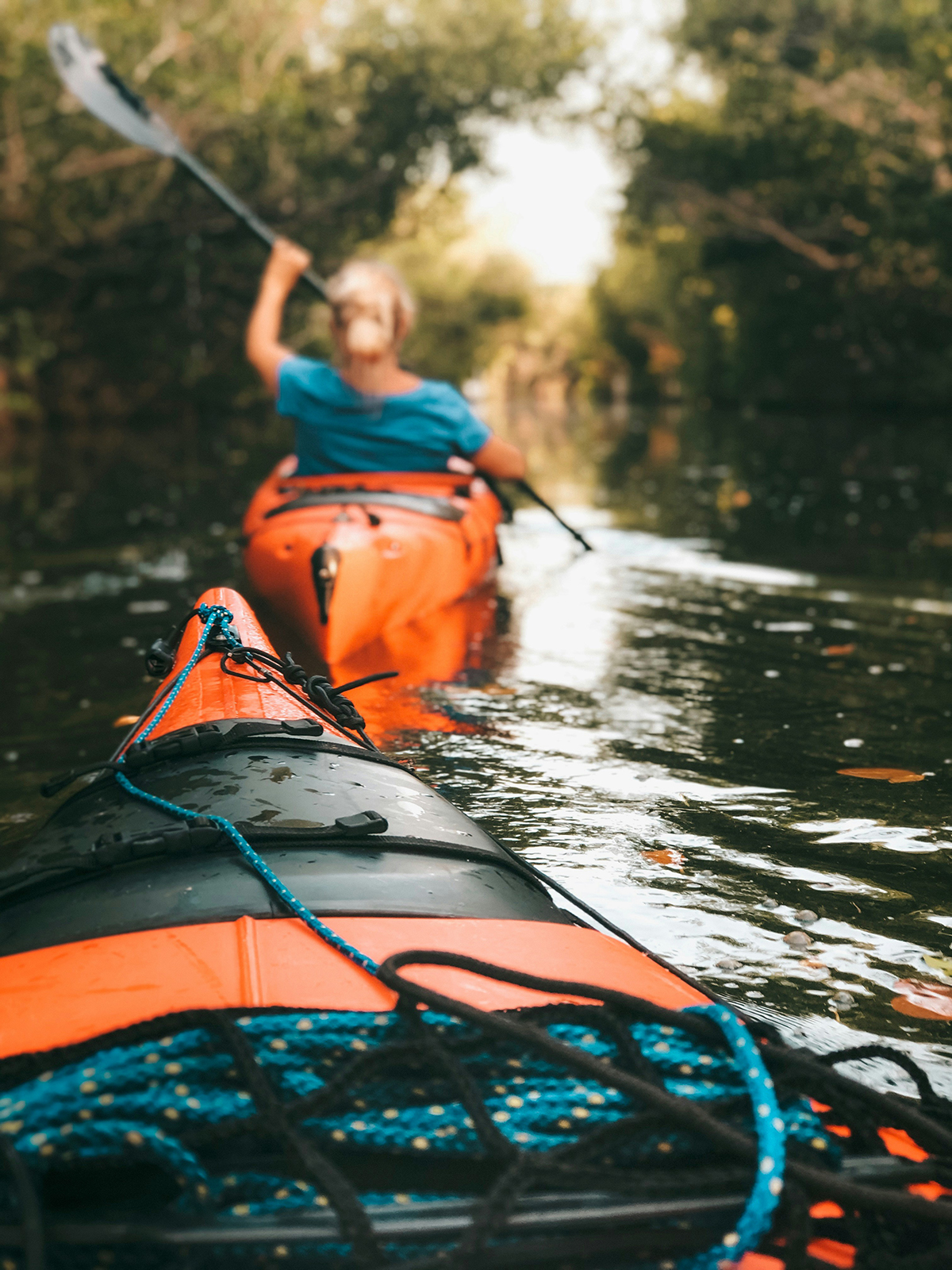
On Ullswater, the fells come down close enough to the shoreline that the water reflects the ridgeline on still mornings. Gentle rivers, particularly sections of the Wye and the Stour, offer a different kind of trip: moving water, overhanging trees, the occasional heron lifting off ahead of the bow. None of these locations require expedition planning. Most require a permit check, a packed lunch, and a dry bag.
The honest downside: popular launch spots on summer weekends can get crowded, and access rights on rivers remain patchy in England. Checking the British Canoeing access guidance before any river trip is genuinely worth the ten minutes it takes.
An Hour on the Water Before the Week Starts
Ask anyone who has paddled a Sunday morning on a quiet reservoir what it does for their wellbeing and the answer tends to be practical rather than poetic. The focus required to hold a line and read the water is just enough to quiet everything else. There is no phone signal to check, no inbox to monitor. The body is doing something physical, the mind is occupied, and the combination produces a kind of reset that a gym session rarely matches.
Active leisure does not need to be ambitious to be effective. An hour out and an hour back, the boat deflated and rolled before lunch. The week starts differently after that.
As more UK adults look for accessible, low-overhead ways to spend their weekends outdoors, the packable kayak sits in an unusually useful position. It asks very little in return for a great deal. That, more than any single feature or location, is why this particular piece of kit is finding its way into more British car boots every season.